By Sorin Baciu, Zeqira·
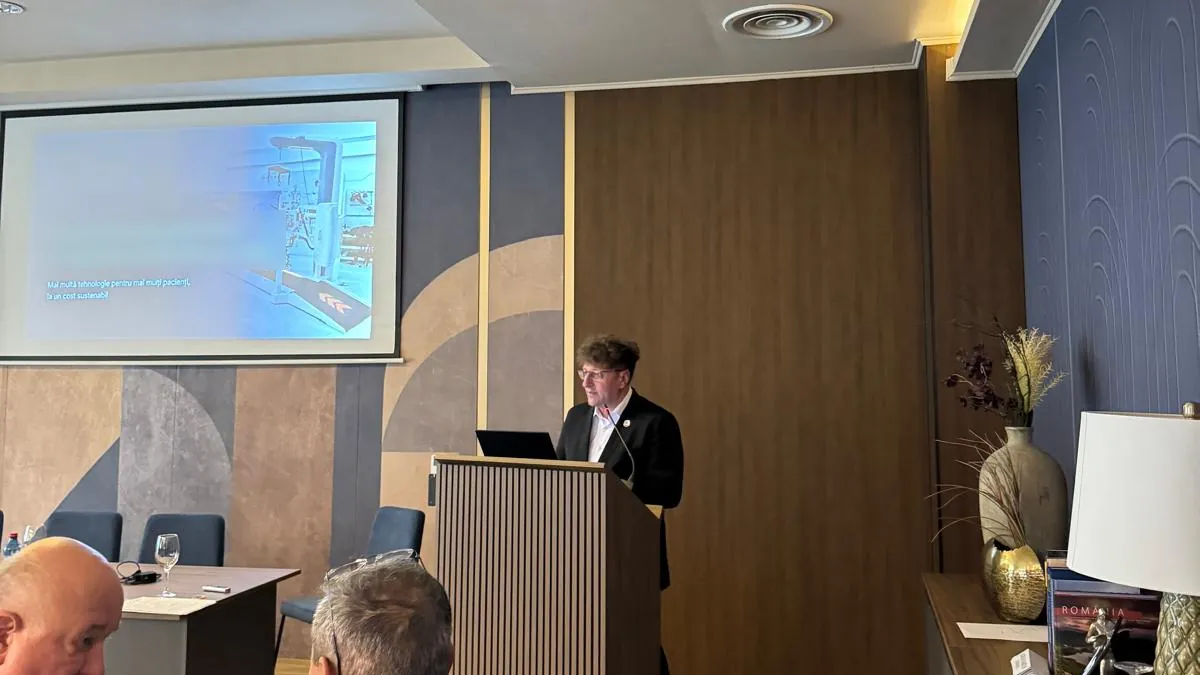
On Saturday 17 October 2026, Sorin Baciu presented Zeqira's paper on access to advanced medical rehabilitation in Session VI of the Multidisciplinary Congress in Băile Felix, Romania: more technology for more patients, at a sustainable cost. The talk covered the cost of rehabilitation robotics, the data from recent studies and the equipment that suits each level of care.
In short
- The Multidisciplinary Congress in Băile Felix took place from 15 to 18 October 2026 at the Hotel Termal, with 37 talks in six scientific sessions.
- Zeqira's talk showed that rehabilitation robots exist but reach few patients, and that cost is one of the barriers clinicians report most often.
- In a survey of 423 rehabilitation professionals in Italy, 40% were not familiar with any robotic rehabilitation device (Journal of NeuroEngineering and Rehabilitation, 2025).
- When one therapist supervises several patients on robots, upper limb rehabilitation can cost 30% less than usual care (Scientific Reports, 2025).
- The talk matched equipment to levels of care: gait robots for rehabilitation centres, tilt tables for hospitals, digital occupational therapy for clinics, arm and leg exercisers for practices and the home.
- After the talk, doctors and medical units asked for details on the equipment, and Zeqira was invited to take part in future events.
The 2026 Multidisciplinary Congress in Băile Felix
The Multidisciplinary Congress in Băile Felix, a spa resort in Bihor County, Romania, ran from 15 to 18 October 2026 at the Hotel Termal. The scientific programme of this medical congress had 37 talks in six sessions on the Friday and Saturday, with speakers from surgery, imaging, urology, psychiatry, public health and medical rehabilitation.
The scientific sessions
- Session I, interventional medicine, from diagnosis to minimally invasive therapy: interventional radiology and neuroradiology, interventional treatment of heart rhythm disorders, interventional cardiology, emergency ultrasound, intraoral scanning in dentistry.
- Session II, oncological and robotic surgery: robotic surgery of the pancreas and liver, oncological digestive surgery, oral cavity and oropharyngeal cancer, adrenal surgery, urinary complications of pelvic surgery.
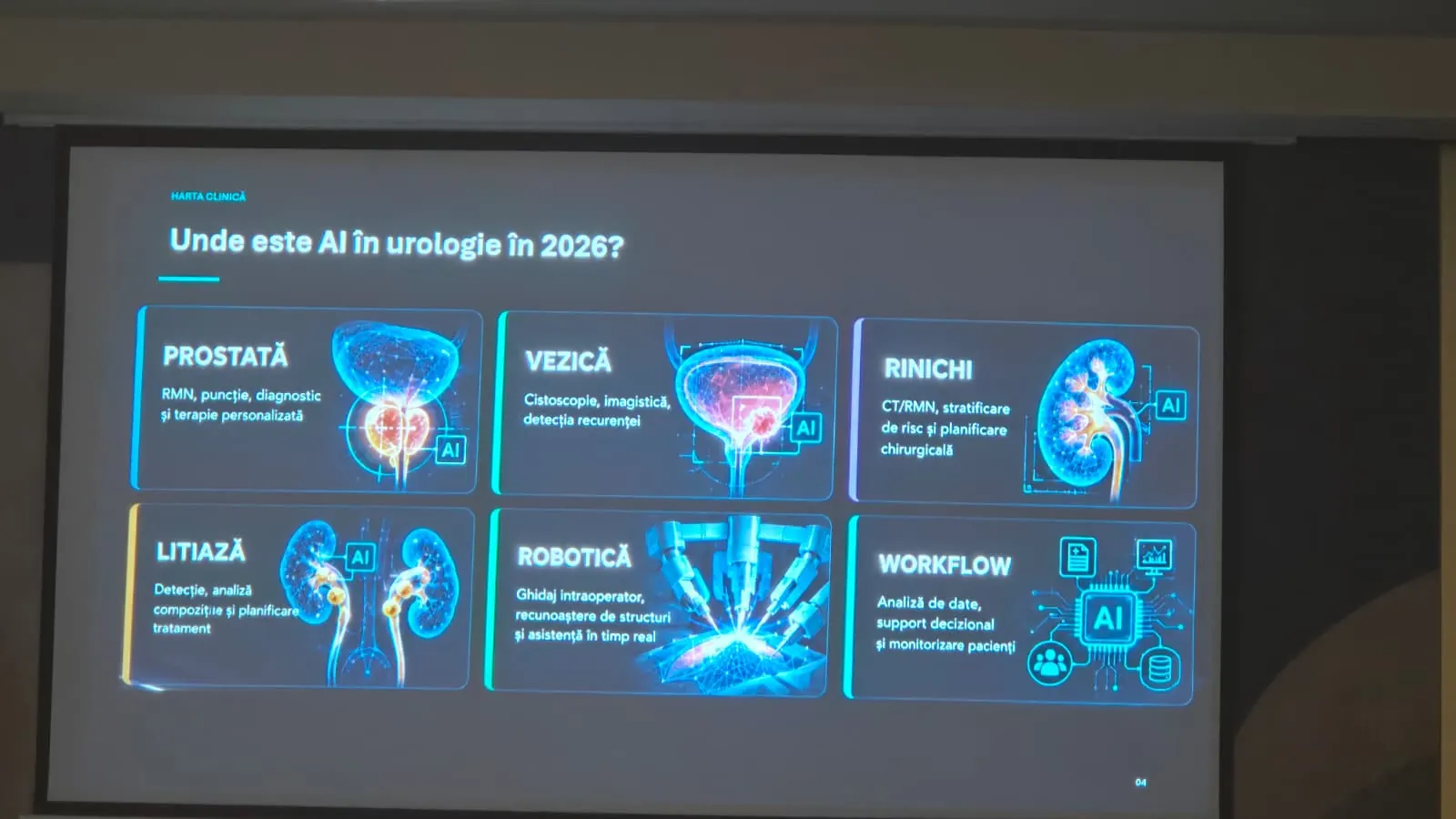
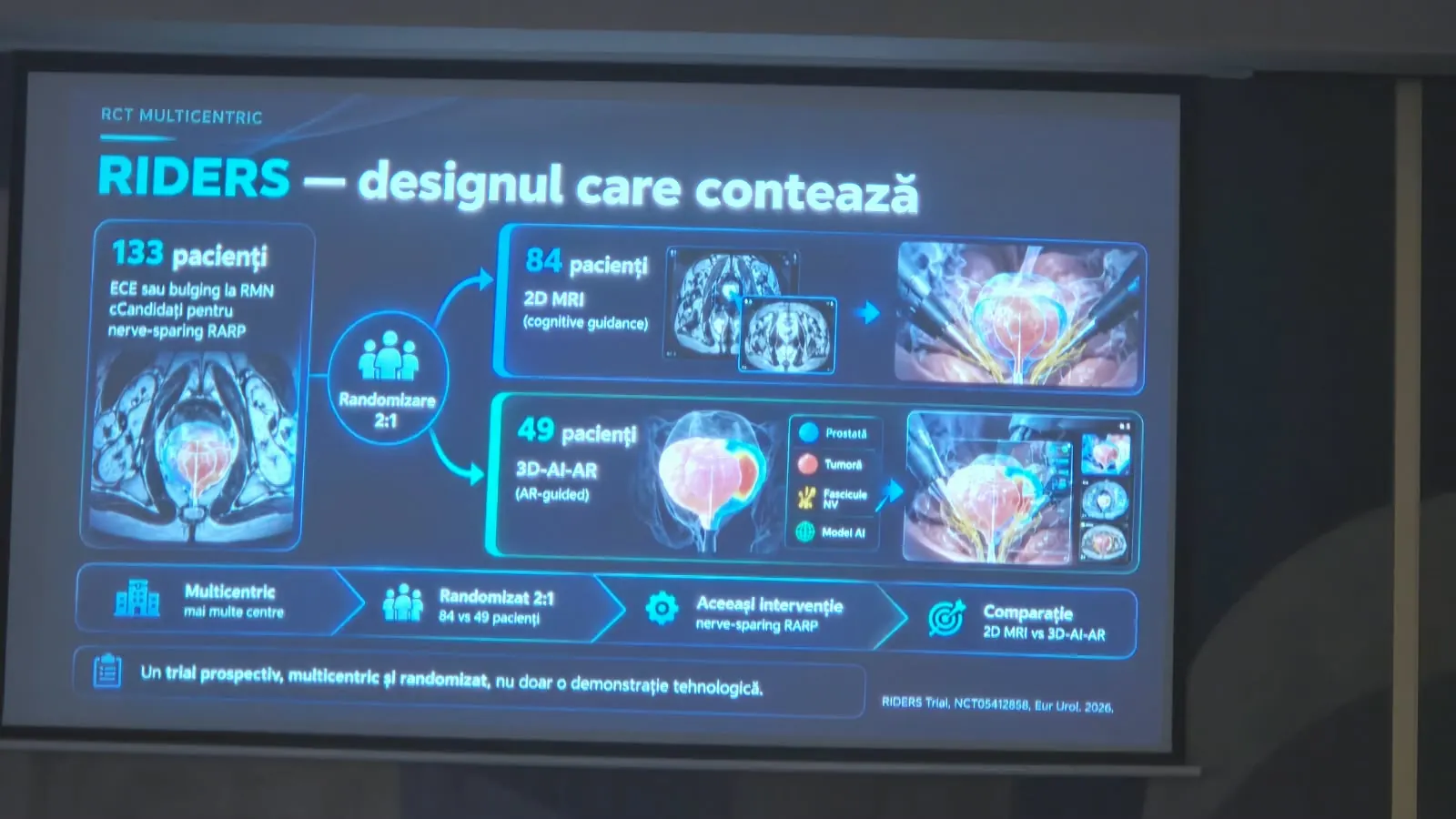
- Session III, urology: percutaneous nephrolithotripsy, endoscopic removal of a calcified ureteral stent, a urogenital cancer case with two primary sites, artificial intelligence in urology and professional liability when the algorithm is wrong.
- Session IV, reconstructive surgery, wounds and surgical complications: chronic wounds treated with biological therapies and negative pressure, cleft lip and palate, atonic wounds, microscopic surgery for disc herniation, incidents with surgical staplers, complications of hip arthroplasty.
- Session V, medicine, ethics and professional responsibility: burnout in medicine, minimally invasive treatment of cerebral aneurysm, the psychiatric patient abandoned in hospital, medical malpractice, the patient with psychomotor agitation, community resilience, dilemmas of medical liability.
- Session VI, urogynaecology, diagnostic and therapeutic challenges: patient navigation in oncology, complete androgen insensitivity syndrome, the ambulance service as critical infrastructure, pelvic floor dysfunction in women, travel vaccination and malaria prevention, access to advanced medical rehabilitation.
On Sunday 18 October the congress closed with messages from guests and speakers, diplomas for the participants and a discussion of the next edition. The programme also included a city tour with a museum visit.
Zeqira's talk: rehabilitation robotics for more patients
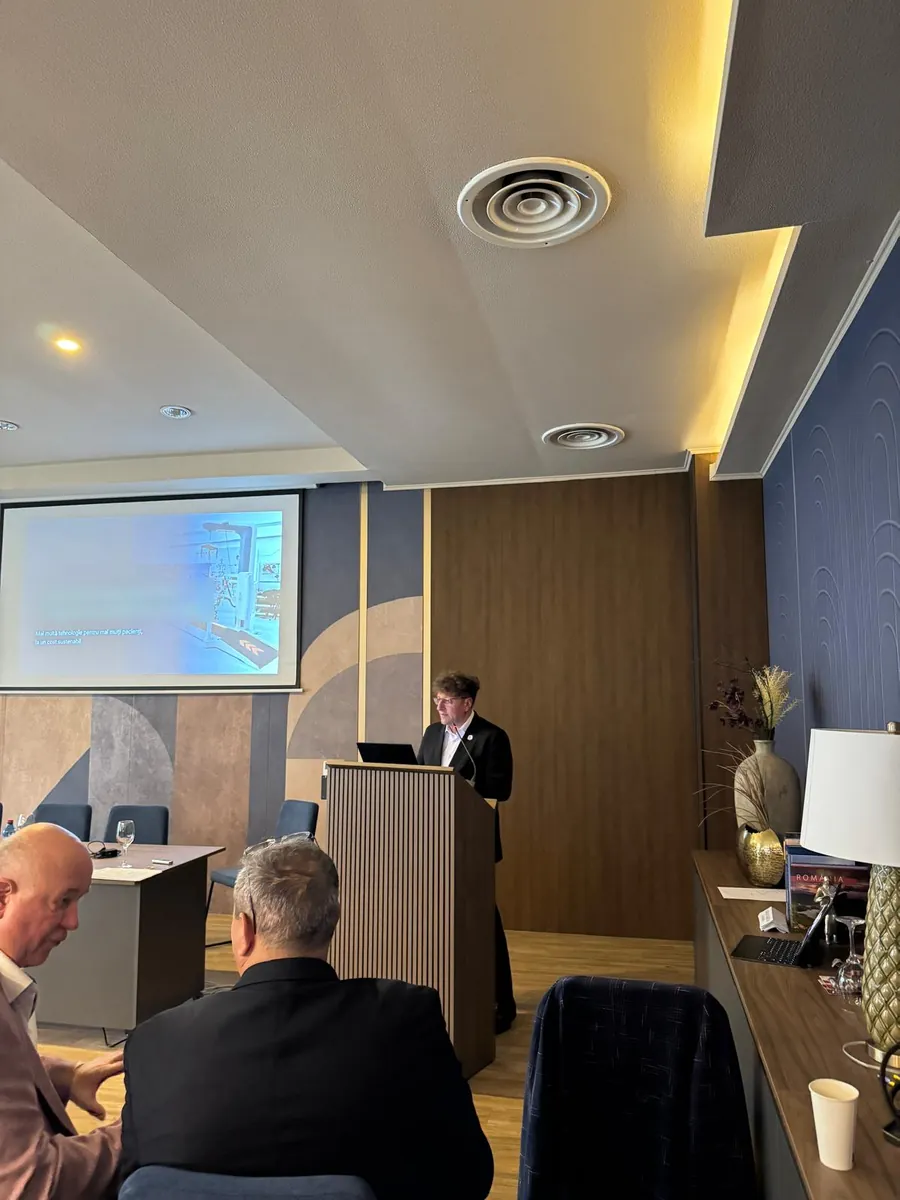
Zeqira's paper was presented in Session VI on Saturday 17 October at 12:30. Sorin Baciu spoke about patient access to advanced medical rehabilitation in Romania, from neurological rehabilitation after a stroke to orthopaedic rehabilitation, and started from one observation:
The robot that teaches a person to walk again already exists. It just reaches too few patients.
What rehabilitation professionals say
A survey published in April 2025 in the Journal of NeuroEngineering and Rehabilitation collected answers from 423 rehabilitation professionals in Italy. 40% of them were not familiar with any robotic rehabilitation device. The barriers reported most often were lack of financial resources and of scientific evidence, followed by lack of opportunities and training.
The authors recommend checking both the effectiveness and the economic sustainability of robotic devices in clinical practice, together with more training for staff.
Romania today: advanced technology arrives one hospital at a time
In February 2026, Cluj County Council announced the completion of the project to equip the outpatient department of the Clinical Rehabilitation Hospital in Cluj-Napoca. The project delivered 37 pieces of medical equipment worth 26.5 million lei including VAT, over 5 million euros, funded by Romania's National Recovery and Resilience Plan and the county budget. The list includes robotic systems for gait and upper limb rehabilitation, a robotic balance system, virtual reality and telerehabilitation, shockwave therapy, ultrasound scanners and the first hyperbaric chamber installed in a public healthcare unit in Romania.
The talk called it an excellent project and a model that is hard to repeat in every city at the same level of investment.
What changed: rehabilitation robots went into series production
For a long time, rehabilitation robots were research prototypes or equipment made in small series. The talk showed that they are now made in large volumes, by several competing manufacturers, with vertical integration from components to the finished system. The cost comes down in five steps:
- Innovation, in research centres.
- Industrialisation, when the design moves into series production.
- Production at scale, with high volume and competition between manufacturers.
- A lower cost per unit.
- Access for more patients, in more medical units.
What was reserved for a few centres becomes catalogue equipment
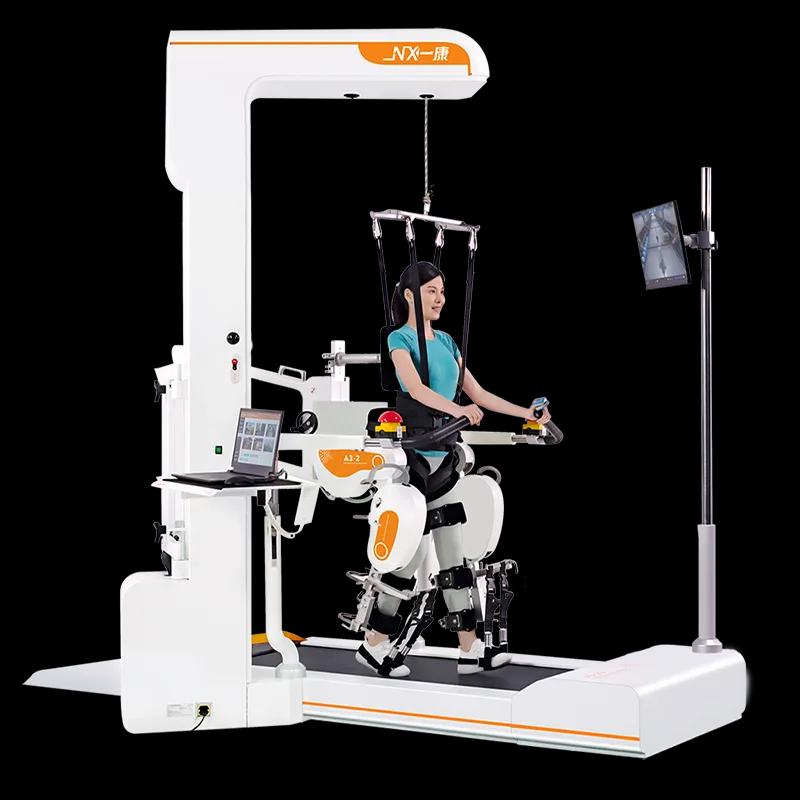
The example in the talk was a gait robot with an exoskeleton used in a private clinic in Uzbekistan: seven motors, an actuated exoskeleton and a body weight support column for patients up to 2 m tall. The A3-2 gait training system in the Zeqira catalogue has the same features, alongside the other models in our range of exoskeletons for walking and gait robots.
Each level of care has its own equipment
The talk grouped robotic rehabilitation equipment by the type of unit that uses it:
- Gait robotics for rehabilitation centres, for example the A3-M gait training robot with exoskeleton and treadmill.
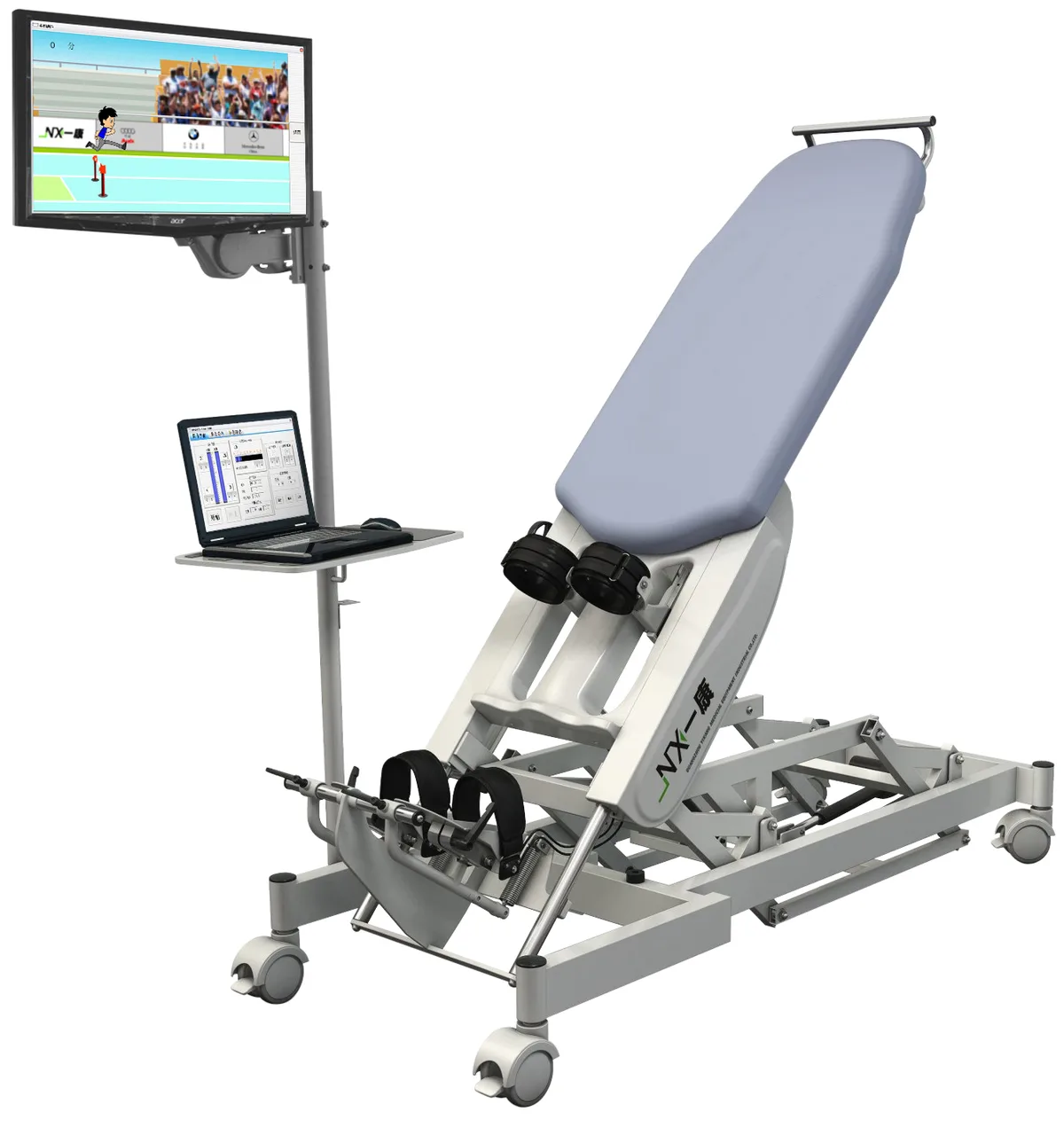
- Standing and assisted walking for county and private hospitals, with robotic tilt tables for adults and children.
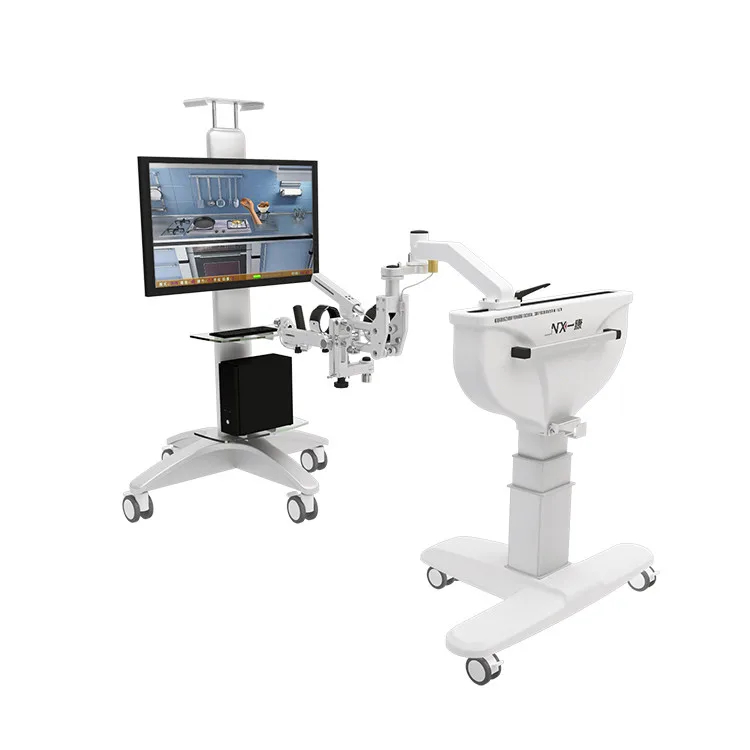
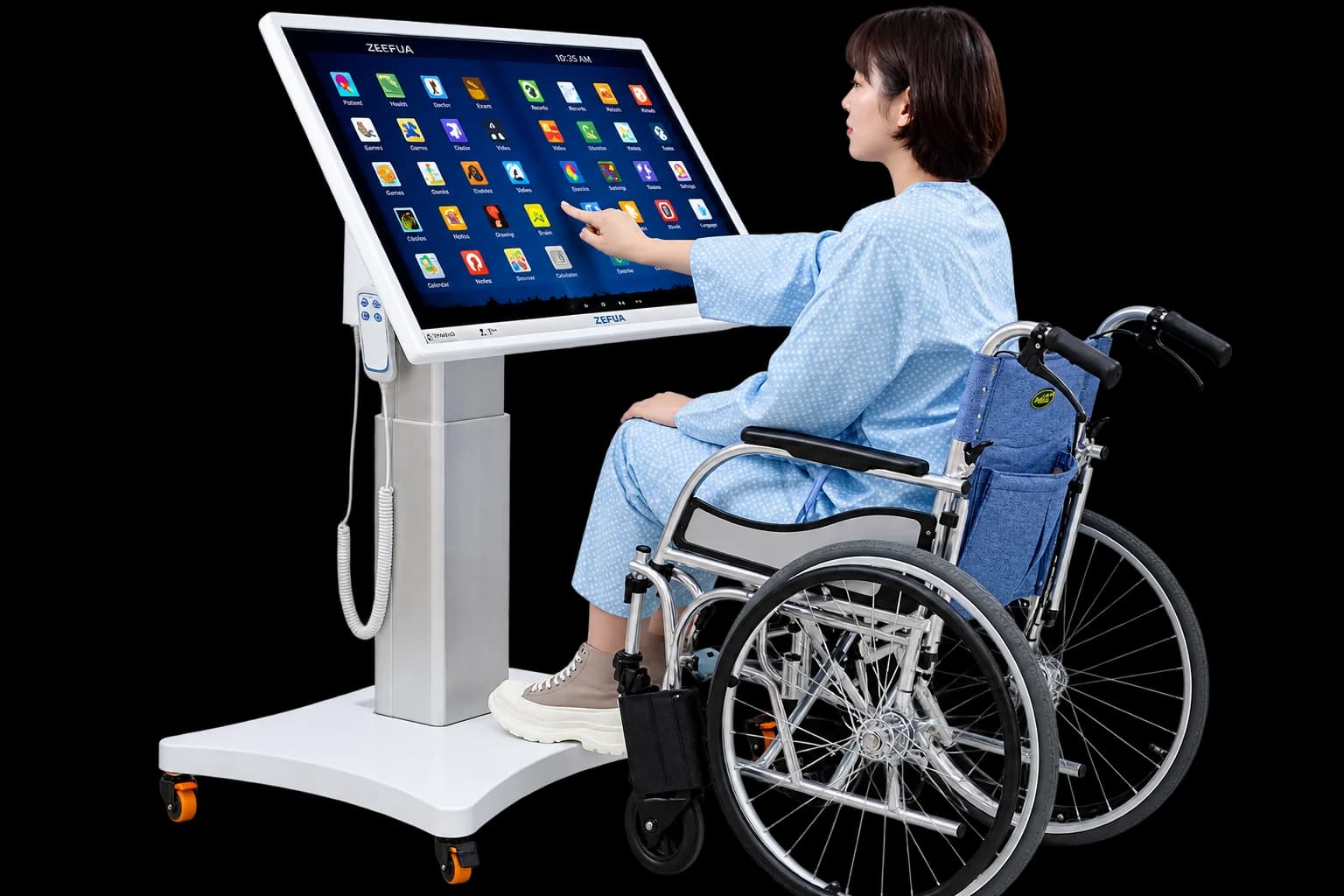
- Digital occupational therapy equipment for clinics and practices: on-screen exercises for the hand and arm, with assessment and a record for each patient.
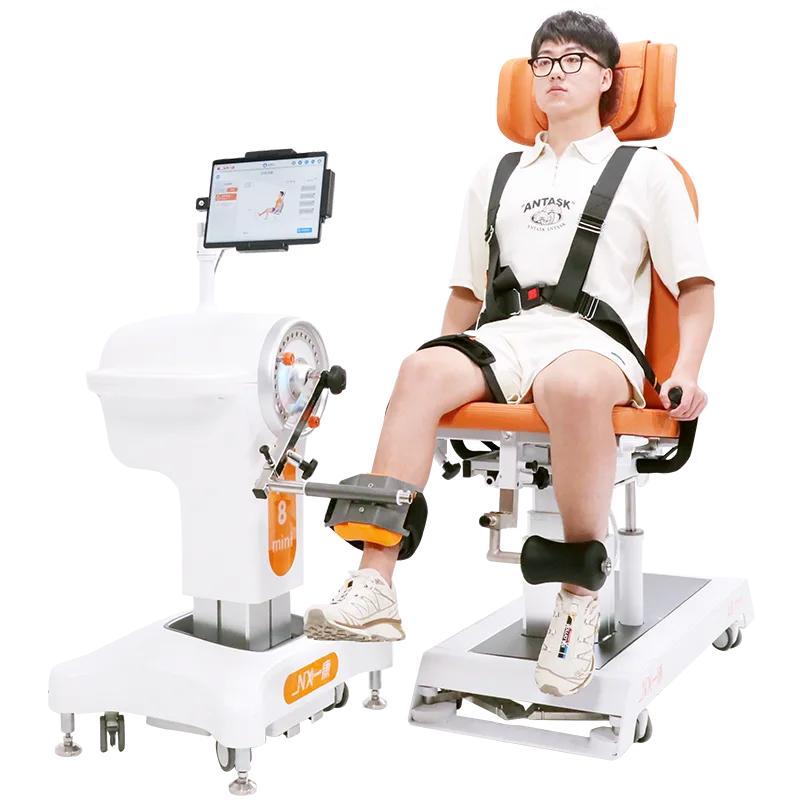
- Active-passive training for practices and home rehabilitation, with arm and leg exercisers used in bed or from a chair.
Do you run a hospital, a rehabilitation centre or a practice?
Tell us which patients you treat and how many sessions you run a day. We come back with the right equipment, the full price and what the delivery includes.
One therapist, several patients: when robotics lowers the cost
An analysis published in November 2025 in Scientific Reports compared the cost of robotic upper limb rehabilitation with usual care in three organisational models, in the United States, the United Kingdom and Italy. The result depends on how many patients one therapist supervises:
- The Fondazione Don Gnocchi model in Italy, with one therapist for several patients: 30% savings, at 6,187 hours of robot use a year.
- The Veterans Affairs model in the United States, also with one therapist for several patients: 18% savings, at 4,300 hours a year.
- The model used in the RATULS trial in the United Kingdom, with one therapist per patient: 105% additional costs, at 1,820 hours a year.
The same principle applies to children: the pediatric active-passive trainer lets one therapist guide several children at the same time. For stroke rehabilitation of the arm, the Zeqira catalogue includes the A2 upper limb rehabilitation robot, with guided exercises and assessment.
Rehabilitation starts at the bedside and continues at home
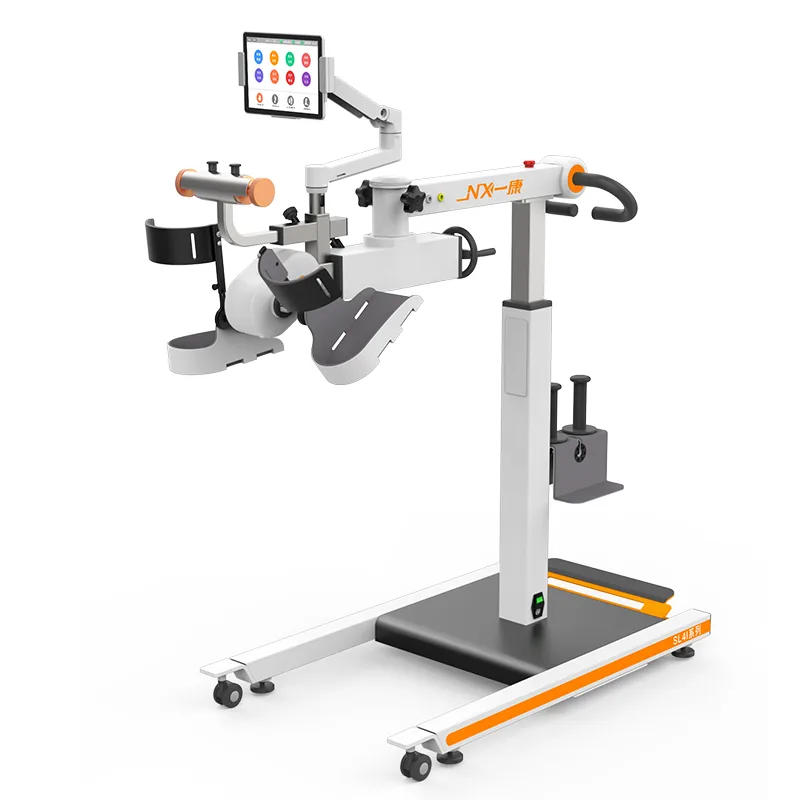
Mobile systems are brought to the patient's bed and allow training from the period of immobilisation, for example with the A8mini mobile isokinetic robot or the SL4I bedside active-passive bike. After discharge, compact trainers let patients continue their exercises at home, on the programme set by the doctor and the physiotherapist. Home rehabilitation then continues what started in hospital.
Access to technology as a question of ethics
The last part of the talk linked technology to medical ethics: when a piece of equipment exists and reaches only a few patients, access to it becomes a question of ethics. The conclusion was that the cost barrier is already coming down, and that the decision to bring this equipment to patients rests with hospitals, clinics and funders.
From the other sessions of the congress
The photos below show some of the topics presented in the other sessions.
Session III: artificial intelligence in urology
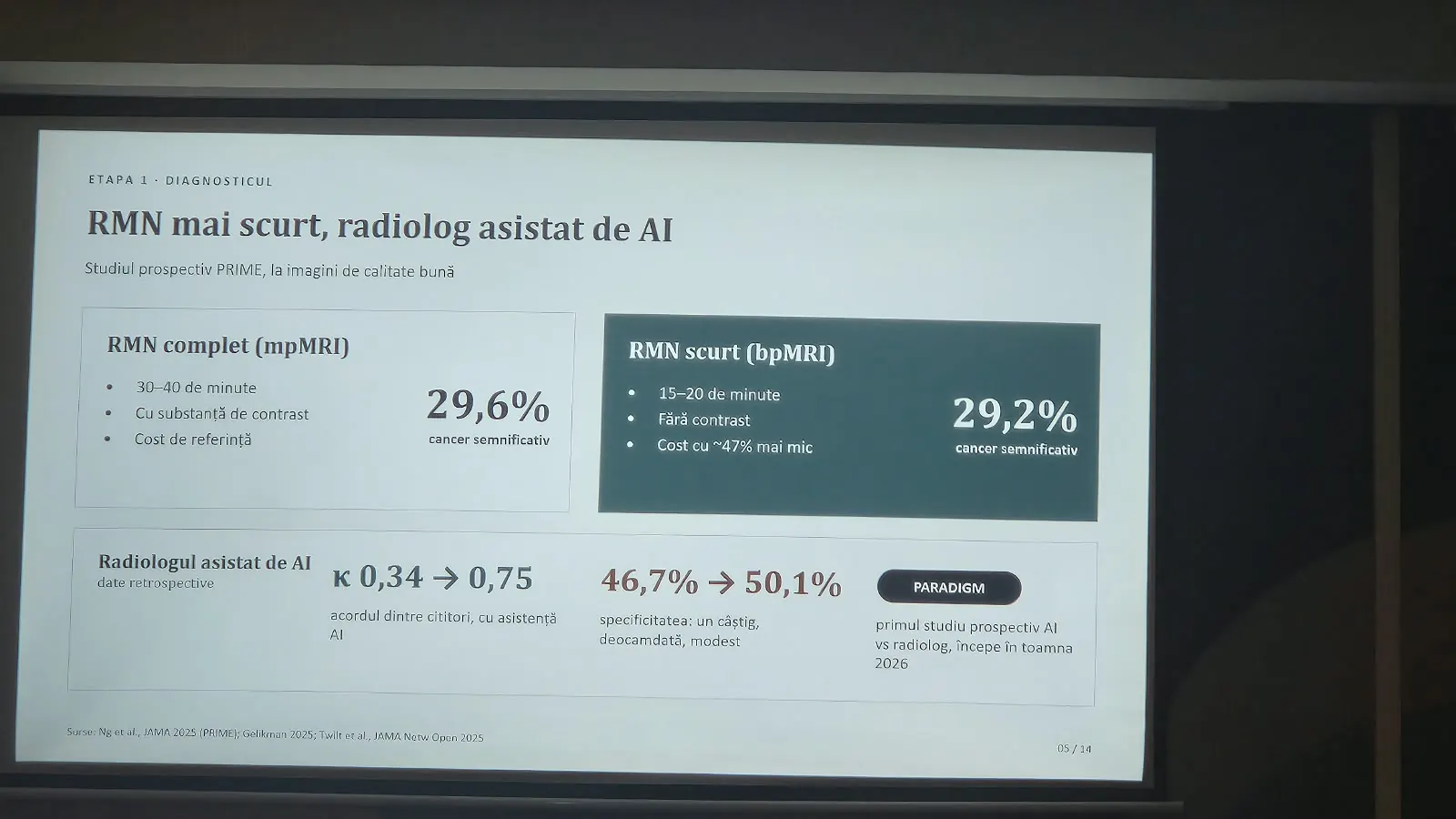
The urology session had three talks on artificial intelligence: where it is used today, from MRI and cystoscopy to robotic surgery, and who is responsible when the algorithm is wrong. The data shown included the PRIME study, in which biparametric MRI, shorter and without contrast agent, detected clinically significant prostate cancer in 29.2% of patients, against 29.6% for full multiparametric MRI. For units that are expanding their diagnostic services, Zeqira also supplies MRI imaging systems.
Session IV: chronic wounds
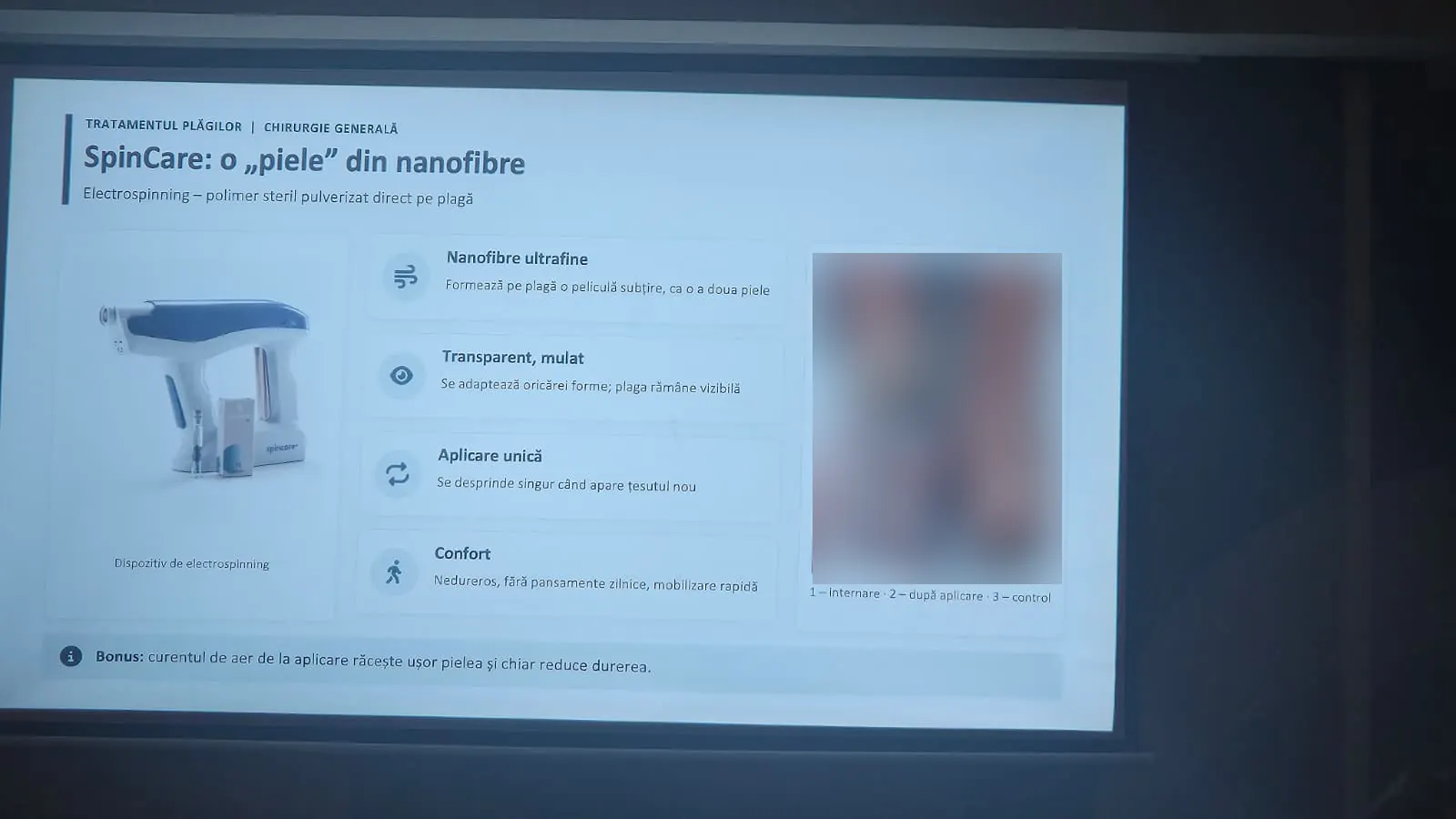
The reconstructive surgery session discussed the treatment of chronic and atonic wounds: biological therapies, negative pressure wound therapy and nanofibre dressings applied by electrospinning directly onto the wound, which form a thin, transparent film. For wounds that are slow to heal, hyperbaric oxygen therapy is one of the therapies with indications recognised by the UHMS.
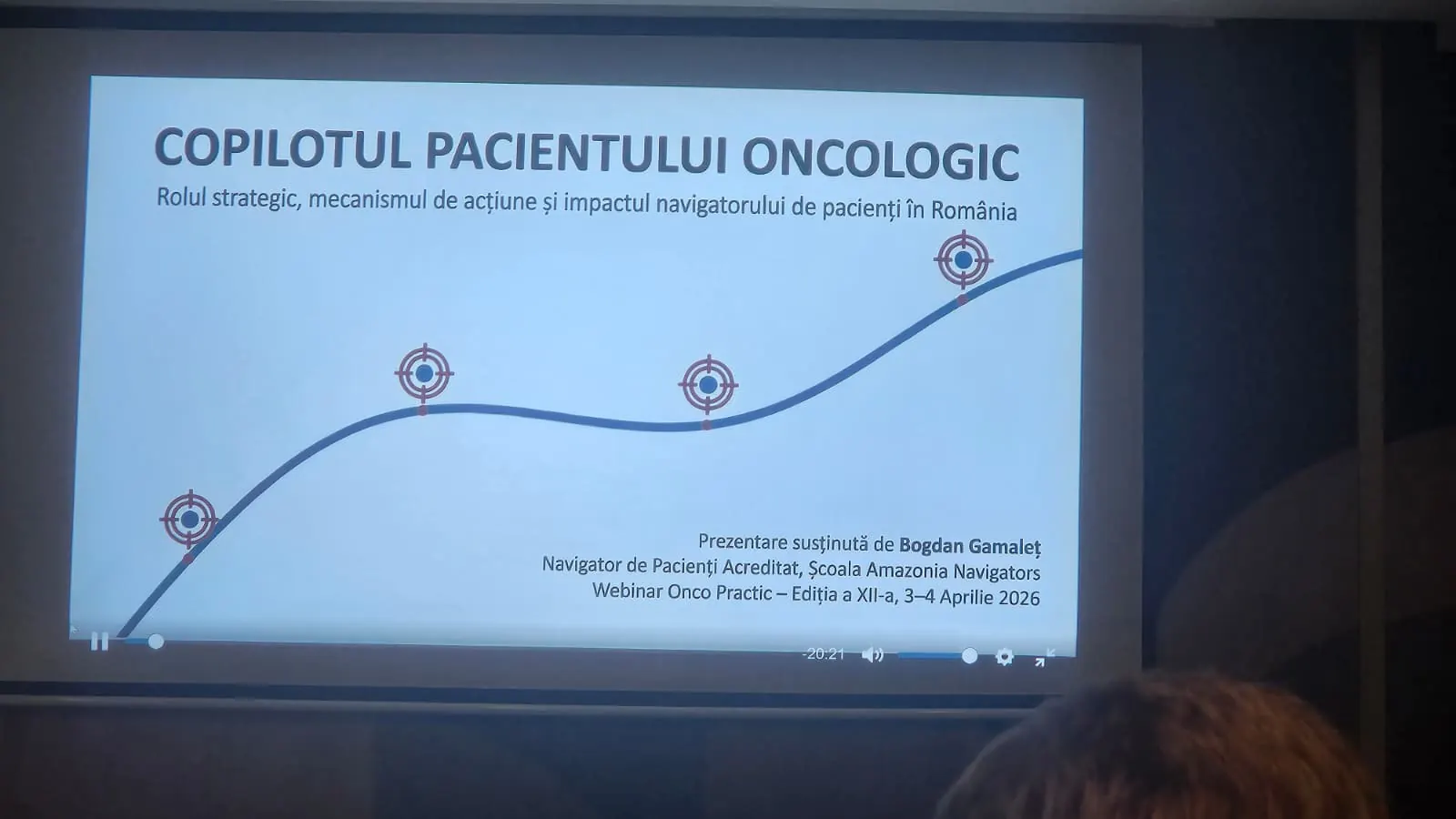
Session VI: patient navigation in oncology
In the same session as Zeqira's talk, a paper described the role of the patient navigator, who guides the cancer patient through the stages of diagnosis and treatment.
After the talk
After the session, doctors and representatives of medical units asked for details on the equipment presented. Zeqira was also invited to take part in future events.
Zeqira supplies rehabilitation equipment to hospitals, rehabilitation centres, clinics and practices: gait and upper limb robots, tilt tables, isokinetic systems, occupational therapy systems, arm and leg exercisers and physiotherapy couches. Each piece of equipment comes with documentation, installation, staff training and service.
Do you run a hospital, a rehabilitation centre or a practice?
Tell us which patients you treat and how many sessions you run a day. We come back with the right equipment, the full price and what the delivery includes.
Frequently asked questions
What is rehabilitation robotics?
Rehabilitation robotics uses motor-driven equipment, such as gait robots with exoskeletons and upper limb robots, that guides or assists the patient's movement and measures progress. The rehabilitation doctor sets the programme and the physiotherapist supervises the sessions.
Which patients is robotic neurorehabilitation used for?
Mostly after a stroke, after spinal cord injury, in multiple sclerosis, for children with cerebral palsy and after some orthopaedic operations. The doctor decides the indication and the number of sessions.
What types of robotic rehabilitation equipment are there?
The main families are gait robots with exoskeletons, upper limb robots, robotic tilt tables, isokinetic systems, digital occupational therapy systems and active-passive arm and leg trainers.
When does robotic rehabilitation cost less than usual care?
When one therapist supervises several patients and the robots are used many hours a year. An analysis published in Scientific Reports in 2025 found 30% savings in the Italian Fondazione Don Gnocchi model and 105% additional costs in the UK model with one therapist per patient.
Can home rehabilitation be done with equipment?
Yes, for some stages. Compact active-passive trainers and arm and leg exercisers are used at home after training, on the programme set by the doctor or the physiotherapist.
When and where was the 2026 Multidisciplinary Congress in Băile Felix held?
From 15 to 18 October 2026 at the Hotel Termal in Băile Felix, Romania. Zeqira's talk was on Saturday 17 October, in Session VI.
Get a quote for rehabilitation equipment
The quote covers the equipment, delivery, installation, staff training and service. We work with hospitals, rehabilitation centres, clinics and practices.